Know who's ready.
Sixty seconds a morning from the athlete. Readiness, load and body history for the coach — for a school, a club, or the one athlete you care about. Across rugby, cricket, netball, hockey, athletics and cross-country.
The signal is always there. It just arrives too late.
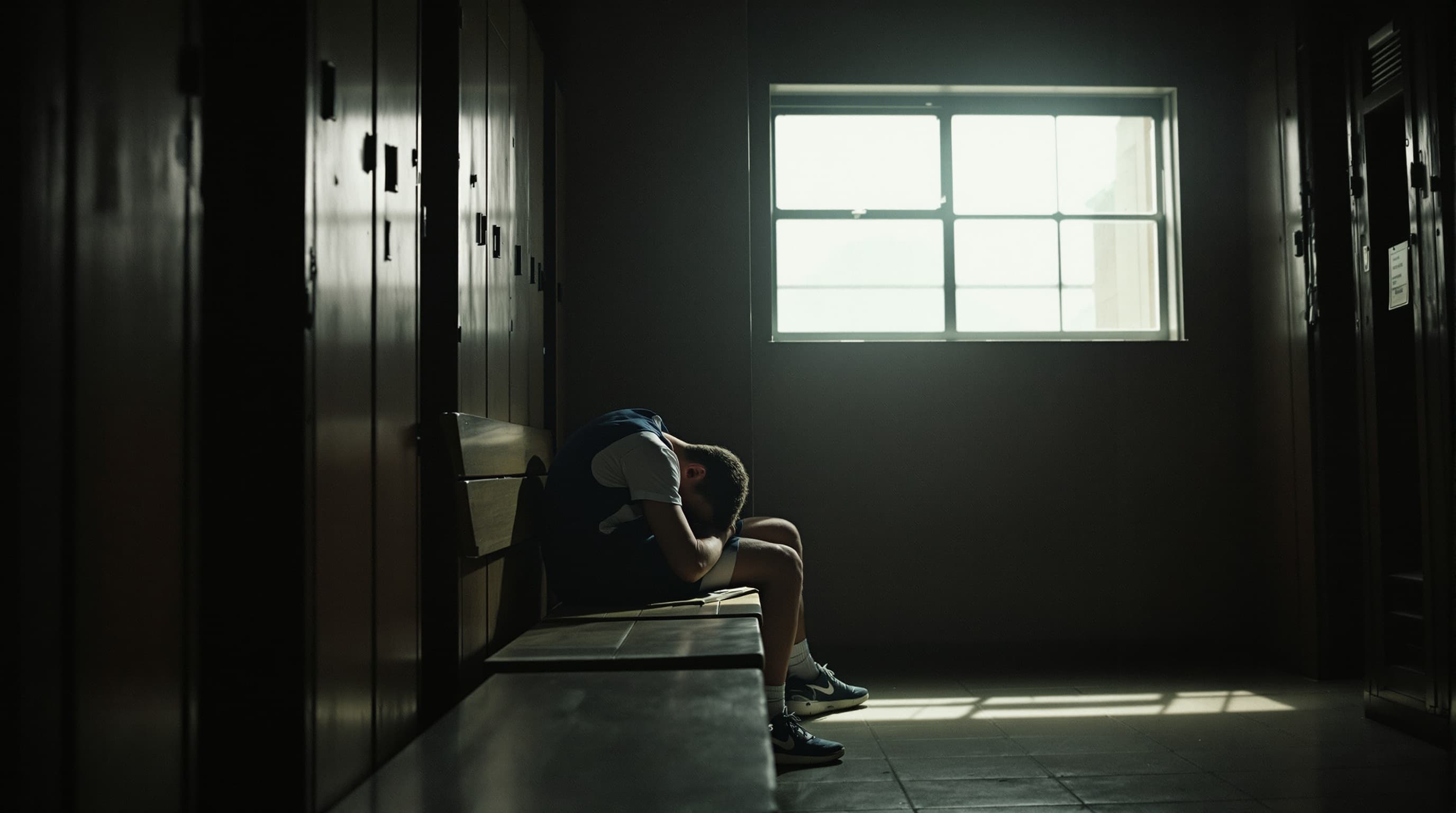
- He slept four hours. Nobody logged it.
- His weekly load has climbed for three weeks straight.
- A calf that's been niggling — and he never said.
By the time it shows up in a limp, it's six weeks out and half a season. botthms.Ready reads every one of these signals each morning — before the session, not after the injury.
The body warns you first. Nobody is listening.
of schoolboy rugby match injuries come from the tackle
SA Rugby youth injury surveillance
of junior fast bowlers develop a lumbar bone stress injury in a season
Cricket Australia — up to 1 in 3
the high-risk window after peak height velocity. They grow long before they grow strong
Youth maturation research
is all it takes to catch the signal early. One check-in, every morning
botthms.Ready
Today's score is a snapshot. The month is the story.
One athlete, twenty-eight days. Move across the days — this is what the coach reads, and the moment the numbers said ease up a week before an injury could.
Hover or drag across the days
Ready caught it Thursday. He trained light instead of full contact, slept, and was back in the green by Sunday. Nothing tore.
It isn't the hard week that hurts you. It's the sudden one.
The same athlete's training load. Bars are each week's work; the dashed line is the base his body is prepared for. When one week jumps too far above it, the acute-to-chronic ratio crosses into the red — and the readiness dip lands days later.
Hover a week
60% above his 4-week base — the spike, not the grind — and exactly where injuries cluster.
The niggle you can see coming.
One tap a morning. Scrub the fortnight and watch the right calf climb from nothing, to tight, to flagged — days before it would have become a tear.
Flagged — with days of warning before it would tear. Logged before the session, not found in a scan.
Scrub the days, flip front to back. Every athlete's own map, logged in the morning check-in — no wearable, no physio visit required.
Published science. Plain claims.
Everything here is built on measures that already survived peer review. Where the research argues with itself, we tell you.
Session-RPE
How hard it felt, times how long it lasted. Foster’s method has been the currency of training load for two decades — and in team-sport research it tracks very strongly against GPS distance and PlayerLoad. No hardware required to get the signal.
Foster et al., 2001 · sRPE vs GPS validity studies
A five-question morning
Sleep quality, sleep hours, energy, mood, stress. The McLean-style short questionnaire is the most practical daily monitoring tool in sport science, and the most sensitive to accumulated fatigue. We score each answer against the athlete’s own 30-day baseline, not a textbook average.
McLean et al. · subjective wellness monitoring literature
We do not predict injuries
The acute:chronic workload ratio is useful and it is also contested — Impellizzeri, Lolli and Nielsen have all shown its limits as a predictive tool. So we show it as what it is: a spike detector that starts a conversation. Anyone selling you certainty about a 15-year-old’s body is selling you something.
Impellizzeri, Lolli, Nielsen et al. · ACWR critiques
Rules that already exist
Cricket has bowling counts, spells and rest days written by the ECB and Cricket Australia. Distance running has ramp rates. Growth has the window around peak height velocity. We did not invent guidelines — we made the existing ones impossible to lose track of.
ECB & Cricket Australia bowling directives
Three taps. Done.

One check-in. Three points of view.
The same Tuesday morning. Anele logs how he slept and how he feels — and that one check-in reaches three people, three different ways.
A read on his own body, before he trains.
Anele logs how he slept and how he feels — about twenty seconds. He gets one honest number back, and a plain call on today.
- Scored against his own normal, not a leaderboard
- Say he's sore without having to say it out loud
- Only his coaches and parents ever see it
The whole squad, at a glance.
Who to rest, who to cap, who is good to go. Sorted by who needs you first, before you walk onto the field — a player's phone to your team sheet, every morning.
Coach sign inOne athlete. Every season. Every sport they play.
A body does not know it changed sports in April. Rugby in winter, athletics in summer, cricket on Saturdays — the load is cumulative, and so is ours.
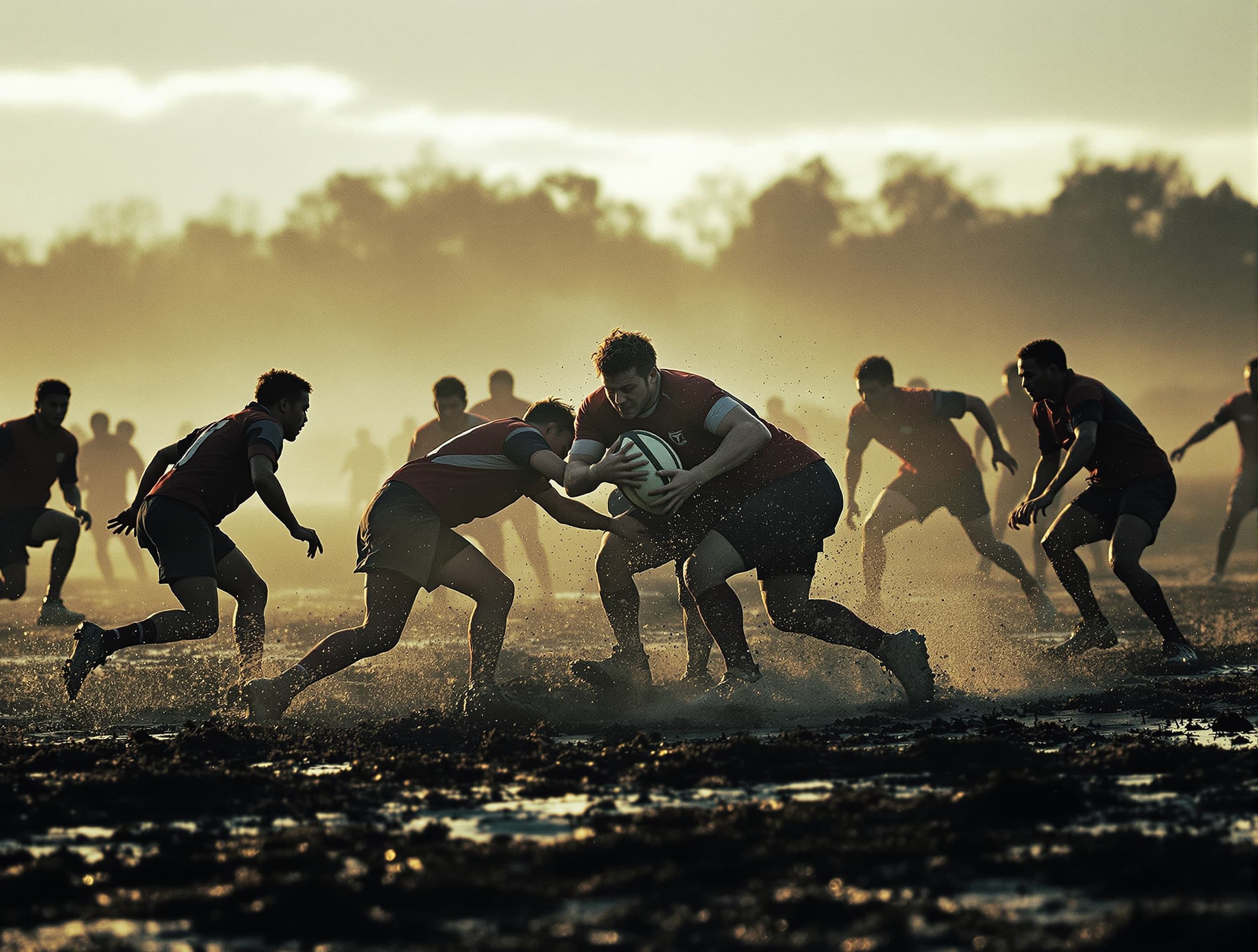
Rugby
Where it started.
- Contact & tackle exposure
- Session load
- Return-to-play
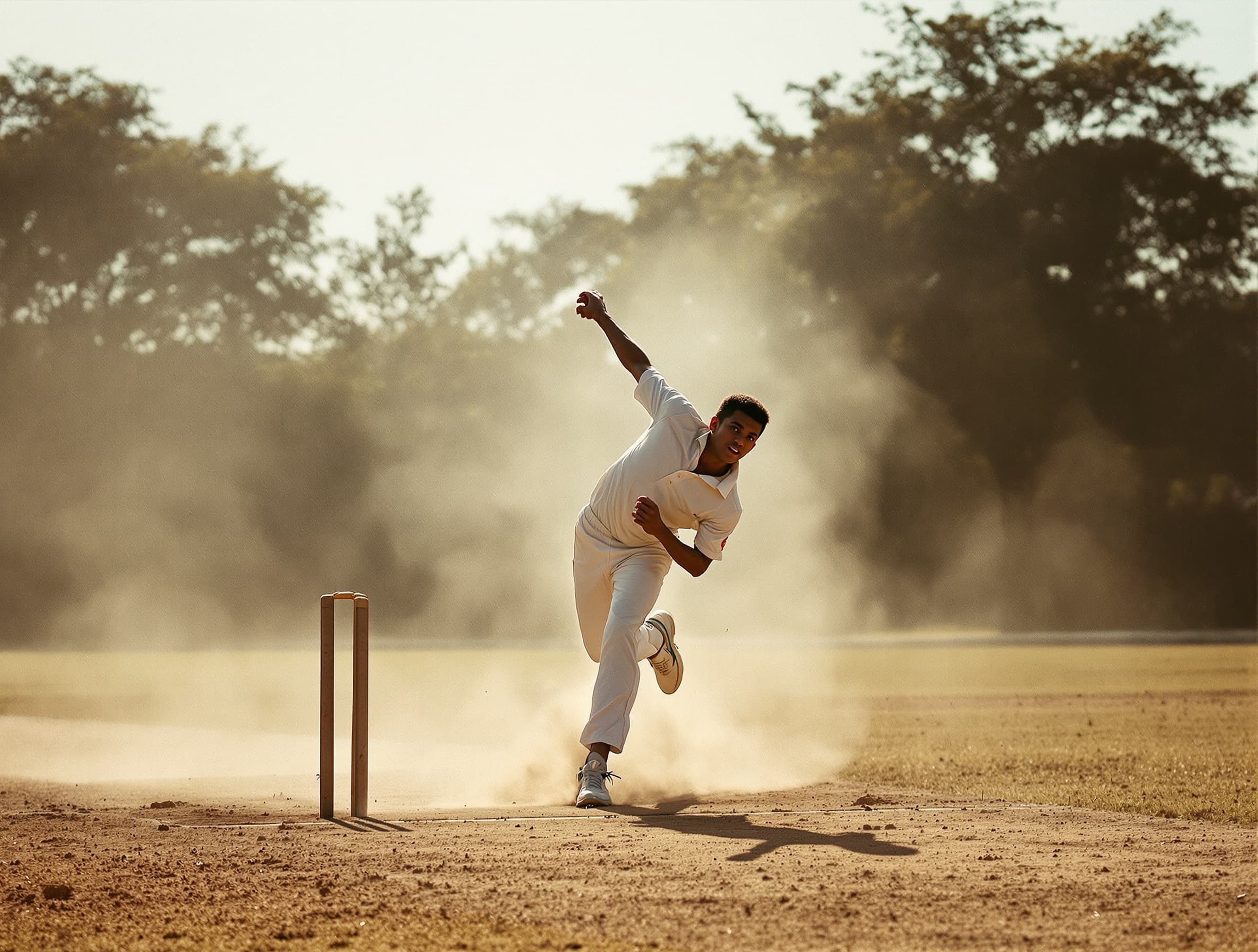
Cricket
Built on the ECB and Cricket Australia workload guidelines.
- Bowling counts & spells
- Rest days
- Lumbar load watch
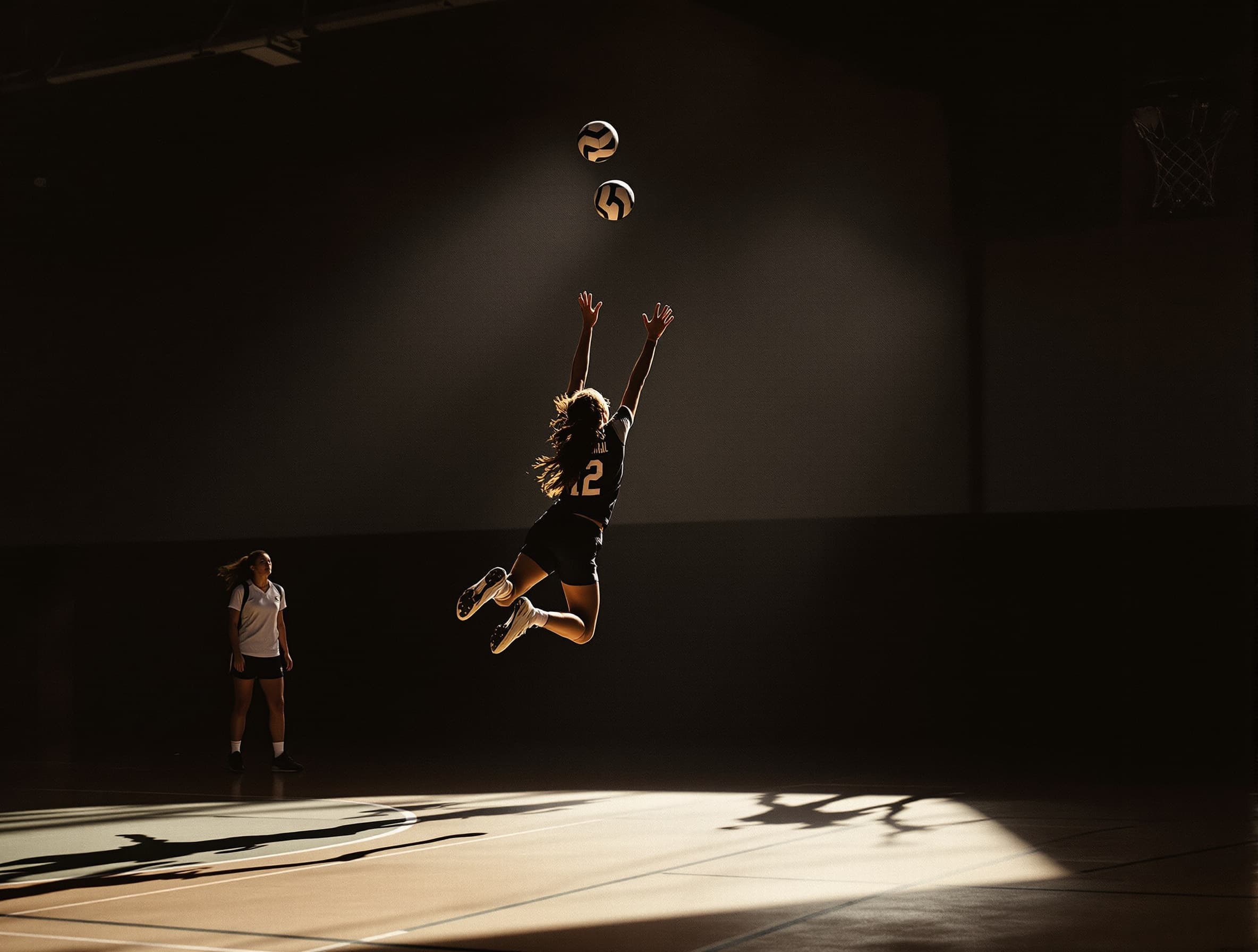
Netball
Indoors, where GPS cannot go.
- Jump & landing load
- Court sessions
- Ankle & knee watch
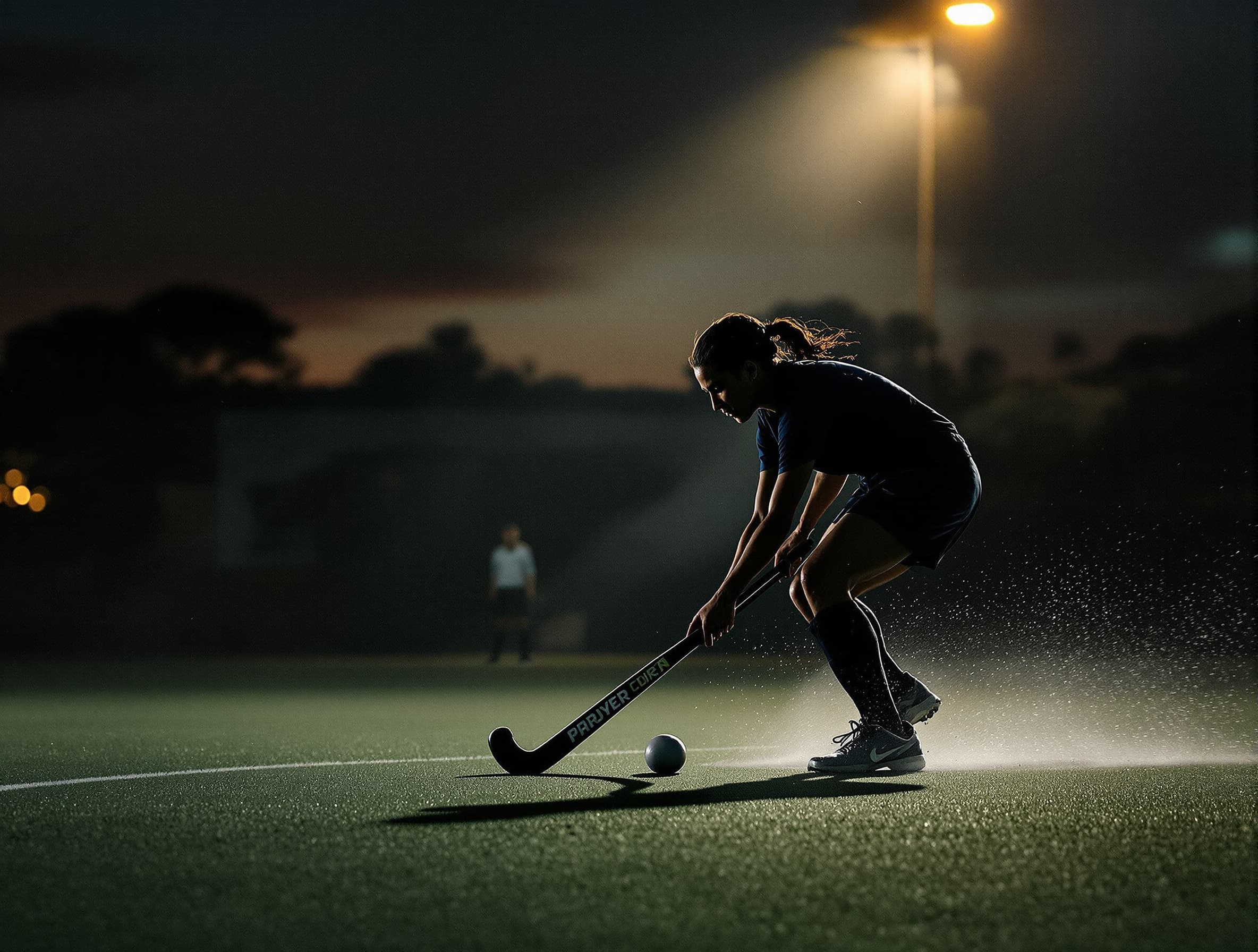
Hockey
Astro chews legs. We count the cost.
- Running load
- Turf demands
- Session RPE
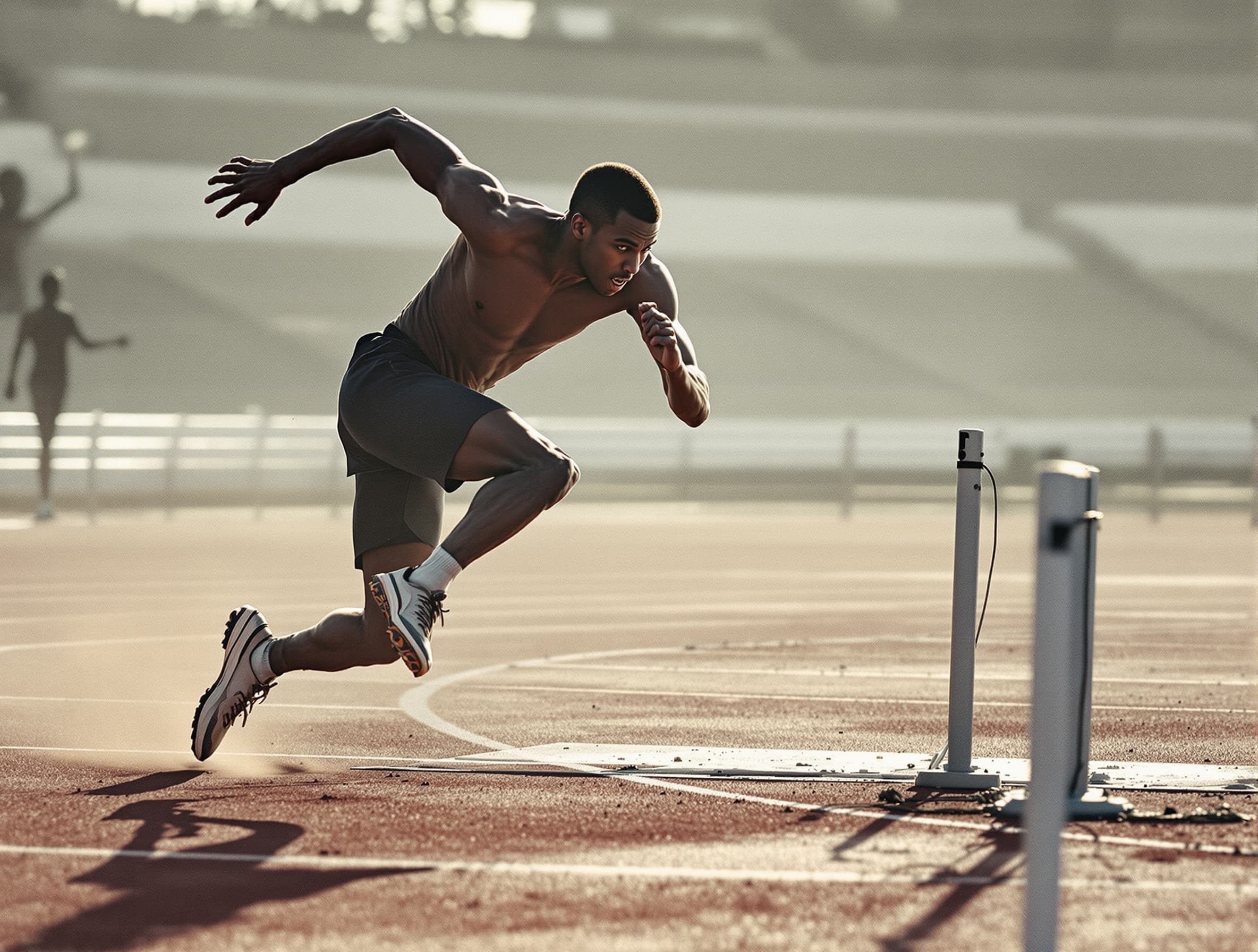
Athletics
Sprints to distance, one system.
- Session type
- Volume & ramp rate
- Event blocks
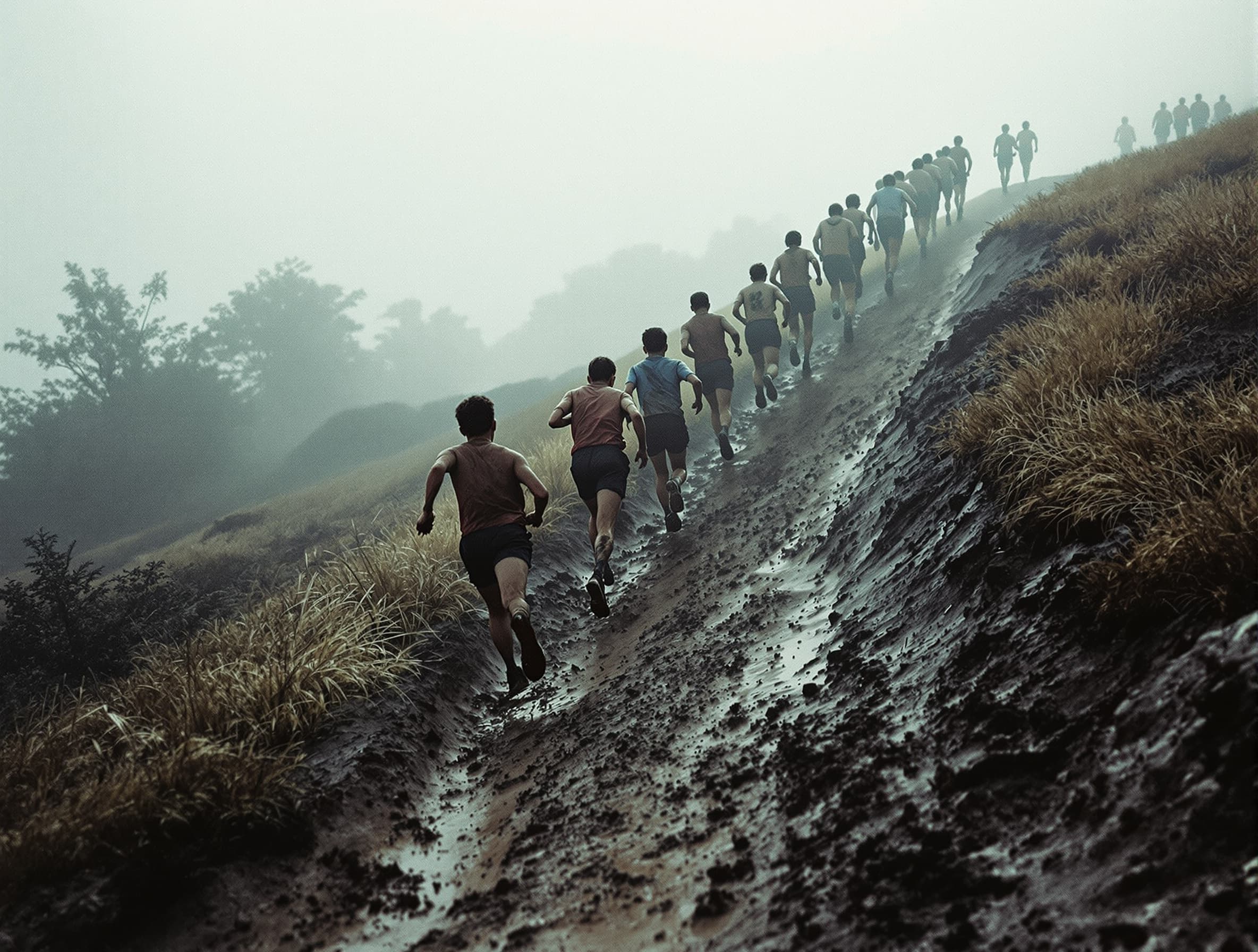
Cross-country
The sport the science was built on.
- Weekly kilometres
- Ramp rate
- Bone-stress watch
Your code not listed? The engine is sport-agnostic — talk to us.
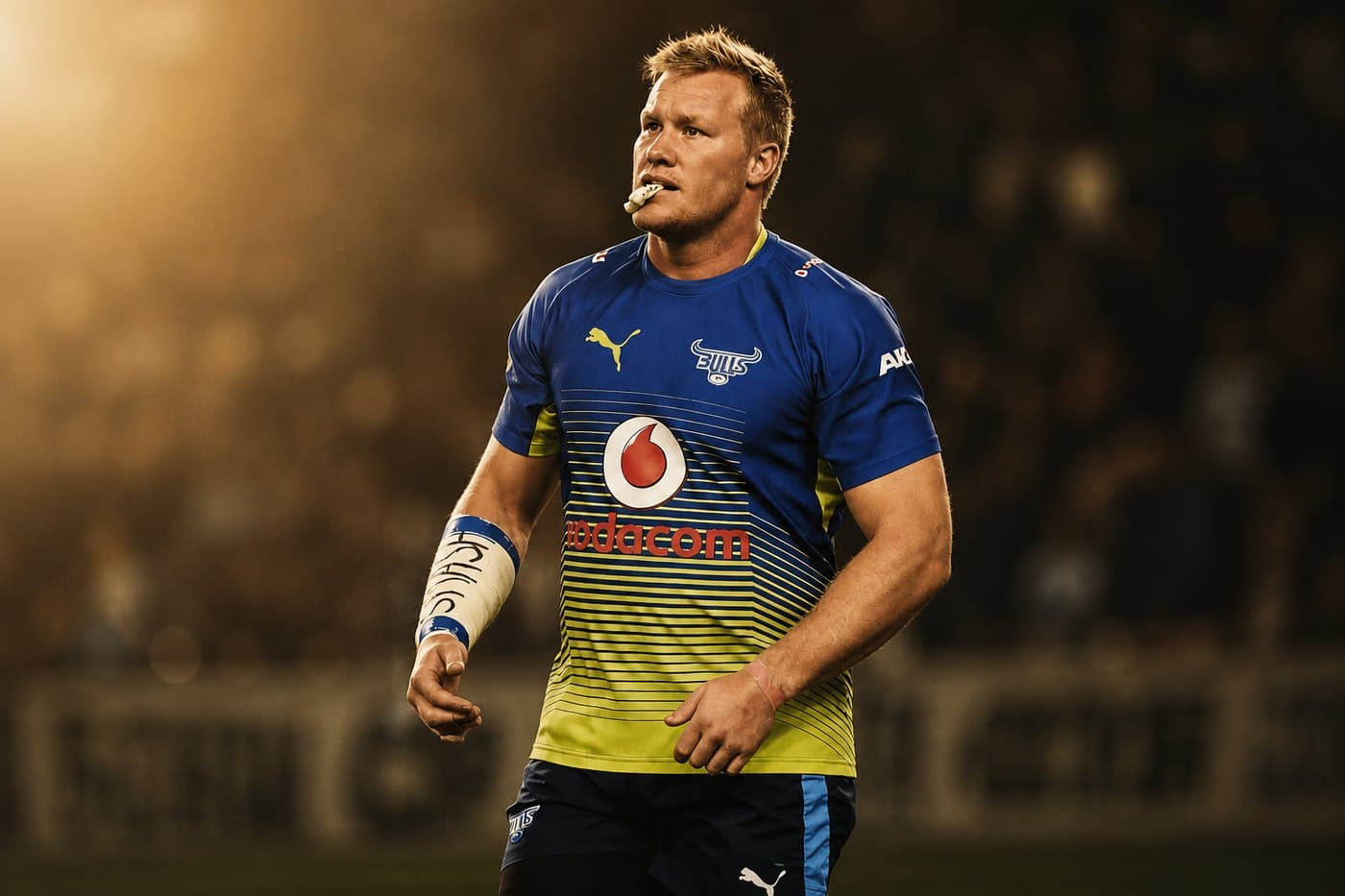
Built by someone who played through the warnings.
Renaldo Bothma spent more than a decade in professional rugby — over a hundred caps across the Bulls, Sharks, Pumas, Harlequins and Namibia, whom he captained at the 2015 Rugby World Cup.
Every one of those seasons had the same pattern in it. The body sent a signal early: a bad week of sleep, a niggle nobody wrote down, a load that climbed faster than it should have. Nobody was collecting it. The first time anyone acted was when something tore.
He now coaches schoolboys. Same pattern, younger bodies, higher stakes — and no sports science department to catch it. So he built the thing he wished had existed: something a fifteen-year-old can feed in sixty seconds, and a coach can read in ten.
“The signal was always there. We just never wrote it down.”
One athlete or a whole school.
No hardware to buy. Individuals cancel whenever they like.
One athlete, tracking their own body. Run by them or by a parent.
- Daily readiness check-in & wellness index
- Body map — 38 zones, soreness & niggle history
- Training load, ACWR, monotony & strain
- Every sport, all season, one timeline
- Parent view included
One price for the whole school. Every code, every age group, unlimited athletes, coaches and parents.
- Unlimited athletes, coaches & parents — no per-head cost
- Everything in Individual, for every athlete
- Coach dashboard — squad readiness at a glance
- Unlimited squads, teams & permissions
- Flags, coach notes & parent notifications
- Signup links — parents onboard themselves
- Multi-sport athlete records across the year
- Concussion log & return-to-play
- Reporting for directors of sport
- Onboarding & staff training included
- POPIA-compliant consent built in
Schools & Clubs runs on a 12-month agreement and carries a once-off licence fee. Everything above is included for the whole school, however many athletes you have.
Built on top of the platform and priced per school. We scope these with you on the onboarding call, so you only pay for what your programme actually uses.
Quoted on the onboarding call.
The honest answers.
What is botthms.Ready?
botthms.Ready is an athlete-monitoring platform for schools, clubs and individuals. Athletes complete a 60-second daily check-in on their phone, and coaches read a squad readiness board that flags who to manage before an injury happens — across every sport, with no wearables required.
Do athletes need a wearable or GPS vest?
No. botthms.Ready runs entirely on a short daily self-report — sleep, energy, mood, stress and body-map soreness — plus session-RPE training load. There is no hardware to buy and nothing to charge or fit.
Which sports does it support?
Every sport. It ships with tailored load models for rugby, cricket, netball, hockey, athletics and cross-country, and the daily readiness check-in works for any code.
How much does botthms.Ready cost?
Individuals are R99/month. Schools and clubs are R5 000/month on a 12-month agreement, covering unlimited athletes, coaches and parents, plus a once-off licence fee. Game analysis, GPS and watch integration, InBody scans and on-site fitness testing are add-ons quoted separately. No hardware required.
Is it available on iPhone and Android?
Yes — botthms.Ready is on the Apple App Store and Google Play, with a full web dashboard for coaches.
Is it safe for children’s data?
Yes. Parental consent is built in and POPIA-compliant, parents can see their own child’s data, and wellbeing information is never sold or shared.